Kenya: Kua uru atu a Tākuta Josiah Ateka, he Kairangahau Ahuwhenua, Neke atu i te 20 Tau ki ngā Pūnaha Ahuwhenua-Kai, ki te Rōpū Tohunga Rīwai
Dr Josiah Mwangi Ateka, who has over 20 years of experience in Kenya’s agri-food systems and researches the potato value chain at JKUAT, joins the Potato Expert Panel by Potatoes.News.
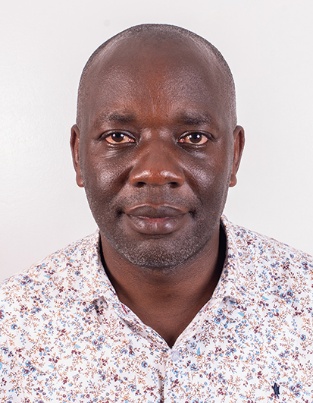
Dr Josiah Mwangi Ateka, an agricultural and development researcher at Jomo Kenyatta University of Agriculture and Technology (JKUAT), has joined the Te Rōpū Tohunga Rīwai nā Potatoes.News. Based in Kenya, he has over 20 years of experience in the country’s agri-food systems.
Value chains and market systems
Ateka is an agricultural economist specialising in food systems and sustainable enterprise development, in the Department of Agricultural and Resource Economics at JKUAT, and a Research Fellow at the Environment for Development Institute (EfD).
His work focuses on strengthening market systems, improving smallholder competitiveness, promoting agricultural innovation and advancing sustainable food systems. His expertise also covers seed systems, agribusiness development, sustainable livelihoods and natural resource governance.
Ngā rā o te wiki. Whakakore i te ohaurunga mā te pāwhiri kotahi.
Research on Kenya’s potato value chain
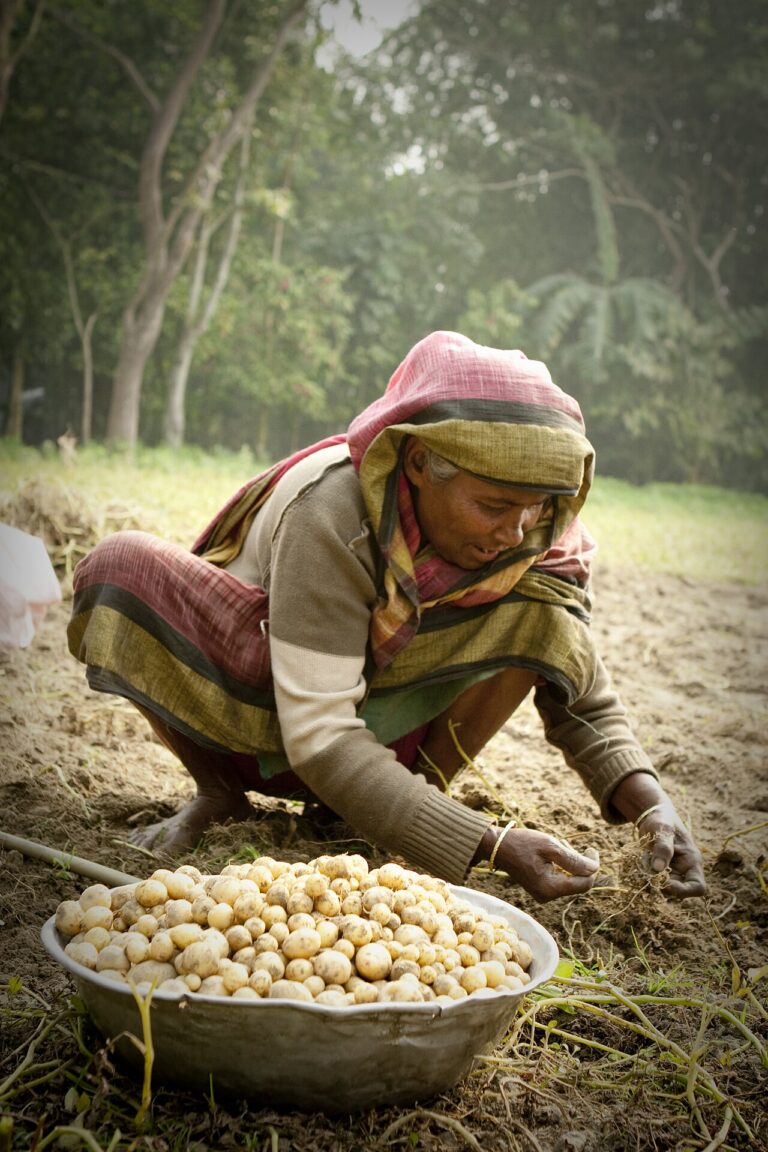
His research on Kenya’s potato value chain examines food loss and waste reduction, farm mechanization, and opportunities for value addition through the utilization of potato residues and rejected tubers. His particular interests are potato value chains, post-harvest management and value addition.
Nga wahanga tohungatanga
Potato value chain development and market systems; seed systems and agricultural technology adoption; post-harvest management and food loss and waste; agribusiness development and value addition; agricultural research and policy analysis.
HE WHAKATOKI
Losses after harvest and weak market links reduce what growers earn from the crop they have already produced. For producers and traders in Kenya, a researcher who studies the potato value chain, from food loss and waste to mechanization and the use of rejected tubers, can explain what these findings mean in practice.
Hono atu ki te rōpū
Potatoes.News e tono ana i ngā tohunga rīwai mai i tētahi whenua ki te whakauru atu ki te Rōpū Tohunga Rīwai. Hei tono, tuhituhi mai ki v.kovalev@potatoes.news me tētahi kōrero poto mō tōu oranga (80–150 kupu), ōu pūkenga, tō whenua me tō whakahaere, me tētahi whakaahua whakaahua. Ko te panui te taahiraa tuatahi ki tētahi whatunga ā-ao o ngā tohunga rīwai e hangaia ana e mātou me te International Potato Tour. Pānuihia atu mō te whakarewatanga o te papaaho.
Based on the expert profile provided by Dr Josiah Mwangi Ateka. Read his kōtaha tohunga.